
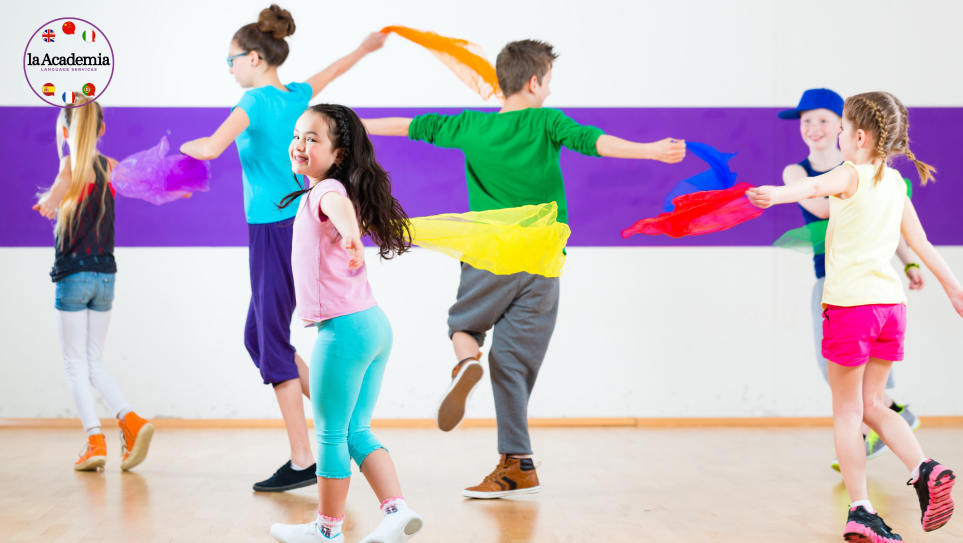
Multicultural days for schools are inspiring first touchpoints for KS1 learners to absorb new words, sounds and cultural cues. This is music to your ears if you’ve ever tried getting a room full of infants to sit still and connect verbs.
But add music, movement, and a splash of global colour? Suddenly, they’re all in.
The introduction of dance into multicultural days for schools combines work and play. As a result, it’s a fun and powerful way to get them started with language learning without even realising they’re learning.
What’s more, today’s Bollywood and flamenco sessions for schools are a far cry from the days the boys squirmed about holding hands with the girls. Because we’ve had Strictly Come Dancing since then, making dance cool again.
Why Dance Works at Multicultural Days for Schools
Children learn best when they’re engaged, active, and enjoying themselves. For these reasons, dance ticks the following boxes:
- Boosts memory – Movement helps anchor new vocabulary
- Grows confidence – ‘In the moment’ participation
- Improves focus: – Dancing can intensify concentration
- Encourages expression – Ideal for children finding their voice in a multicultural, multidimensional world
Think of it like language learning without the worksheets.
Flamenco and Bollywood Examples
These two cultural dance styles are prime examples of bringing language and culture to life in the classroom:
- Flamenco from Spain – The rhythmic clapping, stamping and expressive movement originated in Southern Spanish culture. Its amalgamation of music, song and storytelling is a brilliant way to introduce Spanish sounds and rhythm to young ears and minds.
- Bollywood from India – Its high energy, expressive and personality packed vibe blends styles like bhangra, hip hop and jazz. Every movement is part of a story, making it ideal for exploring language through music and emotion. What better way to celebrate Diwali or Eid in class?
But there’s more going on here than throwing shapes.
Shake Up Your KS1 Language Lessons
At la Academia, our dance sessions bring more than fun routines to multicultural days for schools. Think:
- Recognition and repetition of new words
- Connection of language with cultural experience
- Excitement of learning something new, without fear of otherness
Get in touch to turn up the volume on confident, curious, culturally aware learners. And take our word for it. Pupils willingly learn more dancing their way around the world than sat at desks.